Categories
Blog

Uganda’s Place in East African Football

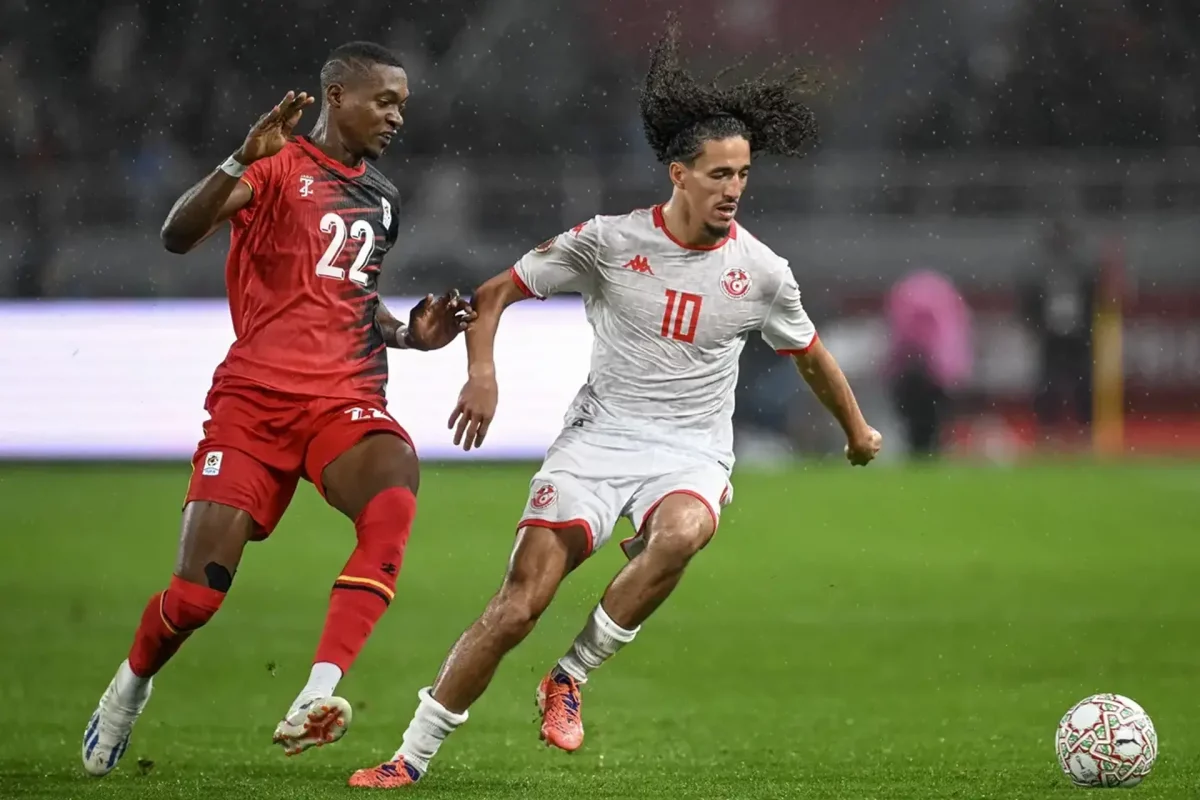
Уганда – Танзания: прогноз на сегодня, коэффициенты на матч Кубка африканский наций | Tribuna iGaming

Football travels across the region

Ugandan football is part of a wider East African conversation. Club and national-team matches against neighbours bring different styles, familiar conditions and a strong sense of regional rivalry. These fixtures matter because they test how teams adapt when the opponent understands the same climate, the same travel demands and many of the same footballing traditions.

The phrase international betting companies in uganda can make sport seem borderless, but regional football is still grounded in local knowledge. A match between East African sides can be shaped by a difficult away journey, a packed stadium, a set-piece battle or a player who knows the opponent’s habits from previous meetings. Those human details are what make the competition compelling.

East African football gives Uganda a wider frame of reference. Regional fixtures test players and coaches against different styles, create shared sporting moments and show how domestic preparation stands up when the opponent is less familiar. The people involved are club players, national-team staff, youth coaches, regional organisers, travelling supporters, journalists and football communities across East Africa. In that setting, details such as regional tournament experience, player movement, contrasting styles, travel preparation, youth fixtures and how clubs adapt to unfamiliar opponents are not background noise; they shape the experience and reveal what needs attention. A useful habit is to notice the sequence rather than only the headline moment: preparation, the opening phase, the adjustment made during the contest and the conversation after it. That sequence shows how sporting culture is produced by ordinary work. It also gives people who are new to the subject a practical way to join the discussion without pretending to know everything immediately. This early work is easy to miss, yet it often determines whether the event feels calm, accessible and worth repeating for a first-time visitor as well as for a committed participant.

Why regional competition helps development

Playing nearby opponents regularly gives Uganda’s teams a realistic measure of progress. Coaches can see whether a new system works against different types of pressure, while players learn how to handle hostile atmospheres and close tactical games. For younger athletes, regional tournaments are a valuable step between domestic competition and the demands of the wider continent.

The exchange also benefits officials, media and club administrators. Better match organisation, clearer communication and stronger youth structures can spread through a region when associations learn from one another. The goal is not only to win one fixture, but to build programmes that can compete consistently.

Travel is part of the competition. Teams have to manage new surroundings, short preparation time and local conditions, which makes organisation and emotional control as important as a tactical plan on a board. Behind that visible activity sits a system: well-run regional competitions, transparent scheduling, cooperative development projects, qualified officiating, club licensing and communication that respects every participating community. These elements may seem administrative, but they decide whether preparation is calm or rushed and whether a sporting space feels open to the people it is meant to serve. When those basics are visible, participants can spend their energy on playing, coaching and supporting rather than solving avoidable problems at the last minute. The public also learns to trust that an event will be worth its time. The practical test is whether people can understand what is expected of them, prepare in good time and focus on the sporting task rather than on avoidable uncertainty.

Rivalry with respect

Regional football is most enjoyable when rivalry stays competitive rather than hostile. Supporters can take pride in their team while recognising that a close opponent makes the occasion better. The strongest matches are remembered for quality, courage and atmosphere, not for behaviour that damages the sport’s reputation.

That perspective is useful for any adult who chooses to bet on a regional match. Familiarity can create a false sense of certainty, but football keeps producing unexpected results. A sensible limit and respect for the uncertainty of travel, tactics and form help ensure that the real focus remains on Uganda’s place in a lively East African sporting community.

Regional tournaments are especially useful for young players. They expose a prospect to new opponents, different officiating and the responsibility of representing a club or country beyond the environment where they first learned the game. A closer observer can use regional tournament experience, player movement, contrasting styles, travel preparation, youth fixtures and how clubs adapt to unfamiliar opponents as a guide, then compare what was planned with what unfolded. The same final result can have several causes, so it helps to watch where pressure appeared, who adapted and which small decision changed the balance. This approach also discourages simple blame. It allows a supporter to recognise a good decision in defeat or identify a weak pattern in victory, which is a much fairer way to talk about athletes and teams. Keeping a short record of these details from one event to the next is often enough to reveal a pattern that a single score, clip or headline would hide.

Regional links can raise standards

East African sport becomes stronger when competition is paired with cooperation. Shared coaching education, referee development, youth tournaments and good administrative practice can benefit every association. The best regional results are not only wins; they are signs that teams are learning how to prepare and compete at a consistently higher level.

For Uganda, that creates a useful balance of pride and perspective. Winning against a neighbour matters, but so does building relationships that make the next generation of regional fixtures safer, better organised and more competitive.

Rivalry can be constructive when it is paired with respect. A close match against a neighbour gives supporters a strong reason to care, yet it also creates opportunities for coaches and administrators to exchange ideas and raise expectations. This is where players who move from domestic competition into youth and senior fixtures where they face different tactical ideas and levels of pressure becomes important. Development works best when expectations are clear and the next opportunity is earned through learning, not through pressure to look finished too early. That is why patience is a competitive advantage. A system that gives people time to learn, recover and return after a setback is more likely to produce capable adults than one that chases a fast result from every young participant. That is particularly important for young participants, who need feedback that explains what to practise next instead of a verdict that labels them too early.

East African football has a shared future

Regional competition is a chance for Uganda to show ambition while learning from strong neighbours. The more regularly teams, officials and young players test themselves across borders, the more the whole region benefits. That shared progress makes every next meeting more meaningful.

Club and national-team development are connected here. Better domestic facilities, coaching and youth minutes make players more prepared for regional competition, while regional tests reveal which areas need more work at home. The lasting standard is straightforward: regional rivalry should raise standards and knowledge without turning sporting competition into disrespect for neighbouring communities. That principle helps supporters, organisers and athletes decide which parts of the experience deserve investment and which habits should be changed. A healthy culture accepts that some uncertainty cannot be removed. What it can control is the quality of preparation, the way people are treated and the willingness to learn after a result has passed. It gives everyone involved a useful decision rule: choose the action that protects participation, learning and respect after the noise of a single result has faded.

Competition can teach as much as it tests

Facing regional opponents gives players a practical education in adapting to new styles, atmospheres and demands. Those experiences become valuable long after the final score, particularly for young squads learning how to compete away from home. They also show why composure, preparation and adaptability matter when conditions change.

Uganda’s place in the region is therefore not fixed by one result. It is built through repeated participation, credible preparation and the ability to learn from both difficult losses and successful performances. In practical terms, club players, national-team staff, youth coaches, regional organisers, travelling supporters, journalists and football communities across East Africa can use the information available to make better choices and set more realistic expectations. It turns spectatorship into a more active form of learning, because people are not merely consuming a result; they are following how a sporting community is put together. In this way, attention to the detail supports the wider structure and gives the next group of participants a clearer, more welcoming starting point.

A longer view of the subject

The most satisfying way to stay close to this story is to combine attention with patience. Follow the people involved, notice what changes from one event to the next and allow room for work that is not immediately visible. That approach makes each result more meaningful because it sits inside a wider picture of preparation, opportunity and community. It also encourages a better standard of conversation: one in which praise is specific, criticism is fair and participants are treated as people rather than as headlines. For Uganda’s place in East African football, that is the practical meaning of sustained support.

Categories
Blog

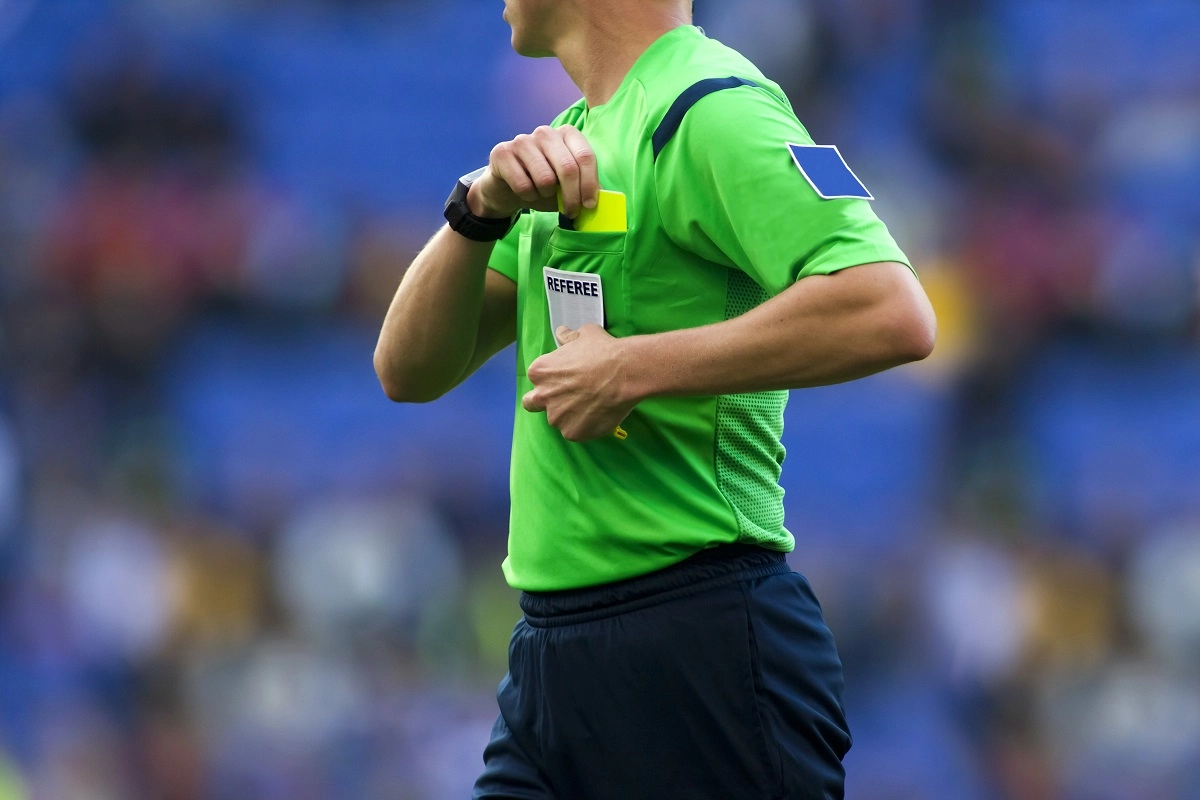
The Modern Referee: Balancing Rules and Game Flow

Soccer refereeing has evolved significantly over the past decade, and keeping up with changes is essential for anyone involved in the game. For those interested in understanding trends and outcomes, resources like soccer predictions offer valuable insights, complementing the referee’s knowledge of rules with an awareness of team strategies and player tendencies.

Categories
Blog

Supporting Soccer On and Off the Field

Soccer is more than just a game—it’s a community built on passion, learning, and giving back. Whether it’s through coaching, officiating, or volunteering, those who contribute to the sport help shape not only matches but lives. Resources that guide and support these efforts can make a significant difference, especially when they offer practical advice, personal experience, and a deeper connection to the sport.

Categories
Blog

Top 10 Reasons to Purchase Preventive Officiating

1. 85% of the reviews on book websites are five stars, the highest rating

2. The book has been so well-received that author Randy Vogt regularly receives fan mail

Categories
Blog

US Soccer Foundation

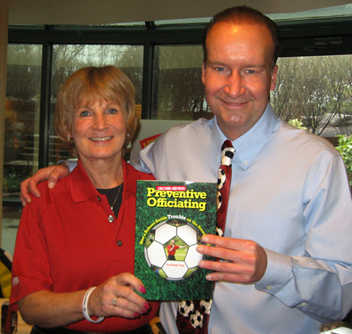
Randy Vogt, the author of the soccer book, Preventive Officiating, is pleased to announce that since publication in April 2010, he has been donating a small portion of the sales proceeds from every book sold to the non-profit U.S. Soccer Foundation, the Major Charitable Arm of Soccer in the United States. The donations continue for every book sold in the United States.

Categories
Blog

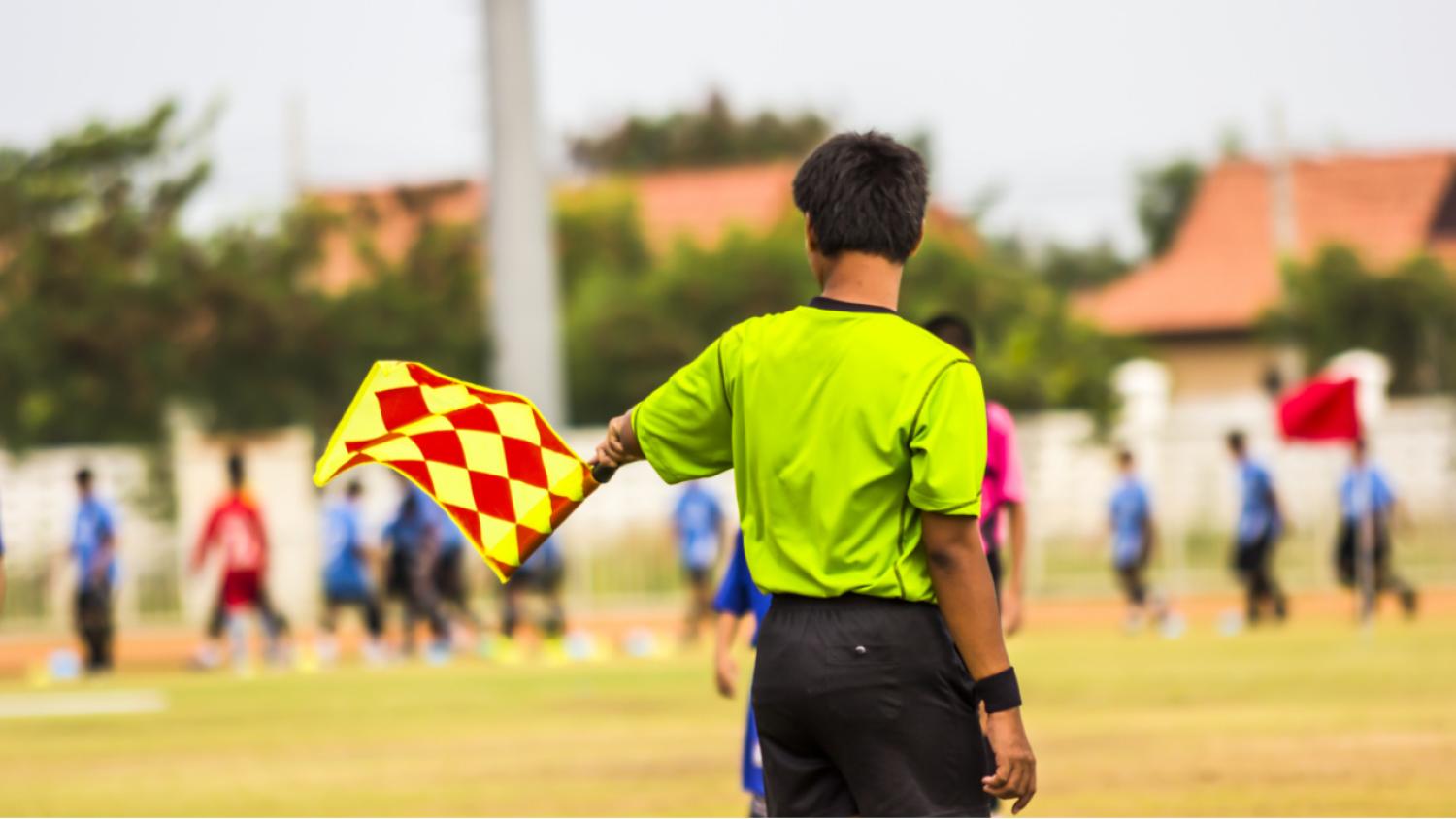
How to Become a Soccer Referee

Many people who want to become referees do not know where to begin. All referee classes are posted on the respective state or provinicial referee web page.